

10 facts about Curacao
Curaçao is more than a beautiful island with warm water, colorful streets, and a stunning waterfront. It is an island with a rich history, many different cultures, and surprising stories that many visitors do not know before they arrive.
Some of them make your tours more meaningful, some are great to share during dinner, and some may even make you want to learn more about the island. See this as a simple introduction to Curaçao beyond the beaches. These ten facts will help you understand the island a little better and enjoy your visit even more.

1. Curaçao has its own native deer — and they exist nowhere else on earth
The Curaçao White-tailed deer, known locally as Biná, is an endemic subspecies found on only two Caribbean islands: Curaçao and the Venezuelan island of Margarita. Scientists believe the Arawak people brought them from mainland South America around 4,000 years ago. They are the smallest subspecies of white-tailed deer in the world, and they are still wild.
The best place to spot them is in and around Christoffelberg National Park in the northwest of the island. They are shy and tend to stay in the dry interior, but early morning walks through the park give you a reasonable chance of a sighting. Our guide to Curaçao's national parks has everything you need to plan a visit.
2. Willemstad's buildings used to be completely white
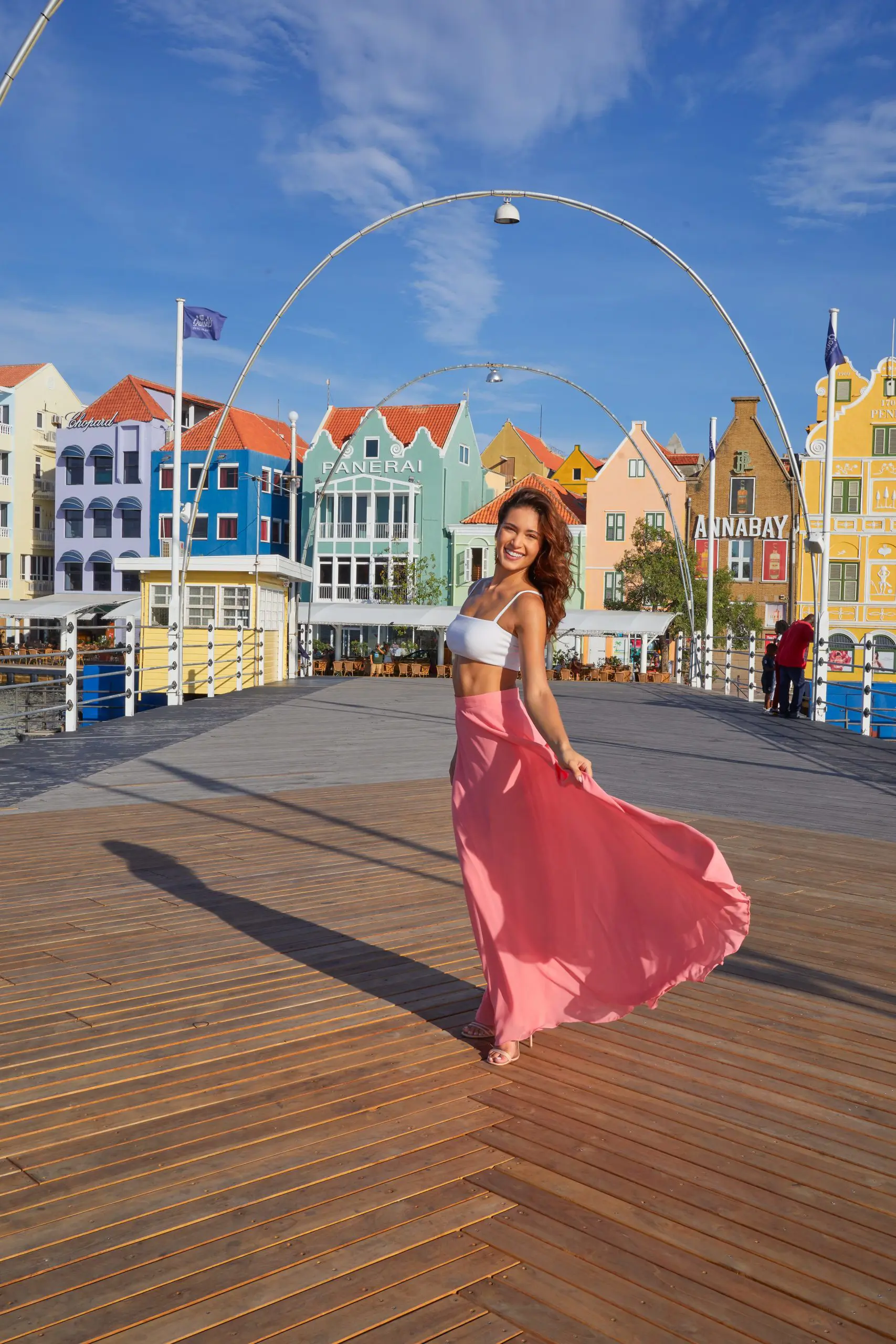
The famous pastel facades along Willemstad's Handelskade were not always there. In the 19th century, every building was bright white, which caused the Dutch colonial governor, who apparently suffered from severe migraines, to order that all facades be painted in color. Whether or not the migraine story is entirely accurate, the decision stuck, and Willemstad's Handelskade is now a UNESCO World Heritage Site.
What makes the area particularly striking is that the buildings look different at every hour of the day. The colors shift from soft and muted in the morning haze to vivid and saturated in the midday sun. If you want a photo that does the waterfront justice, go just after sunrise or in the hour before sunset.

3. The stars on Curaçao's flag have a very specific meaning
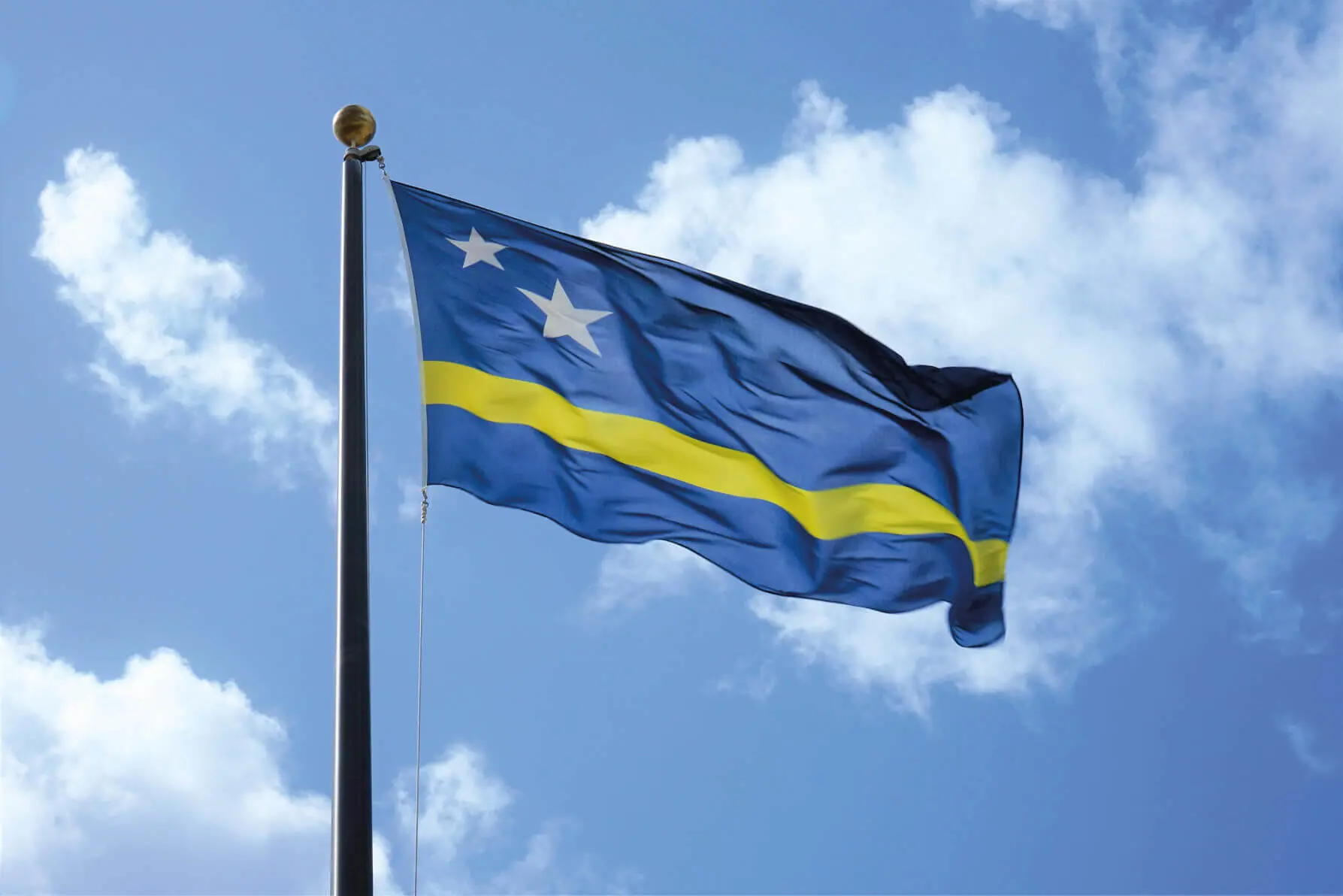
The Curaçao flag has two horizontal stripes: blue on top, representing the sea, and yellow at the bottom, representing the sunshine. But the two white stars in the top left corner are what most people miss. The large star represents Curaçao itself. The small star is Klein Curaçao, the uninhabited island just off the southeastern coast.
Each star has five points, said to represent the diverse roots of Curaçao's population spanning multiple continents. For an island of around 160,000 residents from over 100 nationalities, that diversity is very much real and it shows in everything from the food to the music to the faces you see on the street.
4. More than 100 nationalities call this island home
Despite its small size, Curaçao is one of the most culturally layered places in the Caribbean. Over 100 nationalities have settled on the island, and the main languages spoken are Papiamentu (the local creole language), Dutch, and English. Spanish is also widely spoken, particularly with Venezuelan neighbors just 65 kilometers away.
Papiamentu itself is a fascinating language: a creole that blends Portuguese, Spanish, Dutch, English, and African languages. It developed on the island over centuries of trade and migration and is completely unique to the ABC islands. If you want to make a local smile, learn a few words before you arrive.
5. Blue Curaçao liqueur was originally colorless
The Laraha is a citrus fruit unique to Curaçao and the key ingredient behind one of the world's most recognizable liqueurs. Spanish settlers brought Valencia oranges to the island in the 16th century. The dry, rocky soil and hot climate made the fruit too small and too bitter to eat, but the peel contained aromatic oils that were perfect for flavoring spirits.
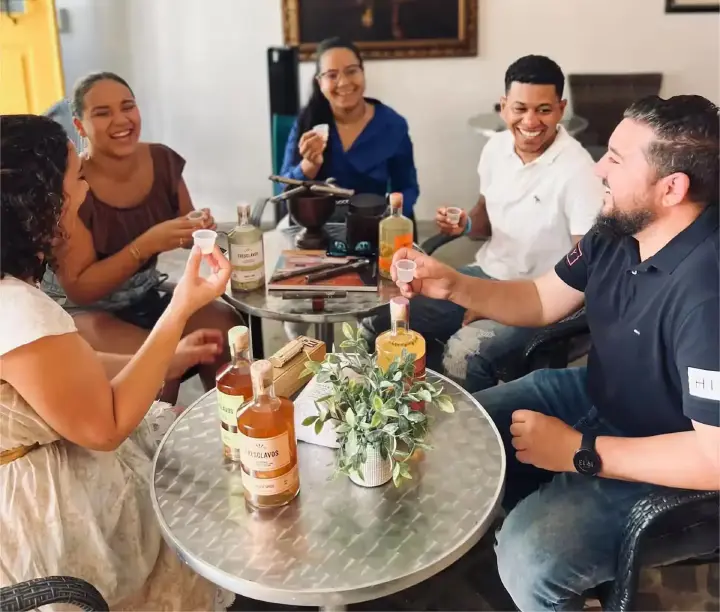
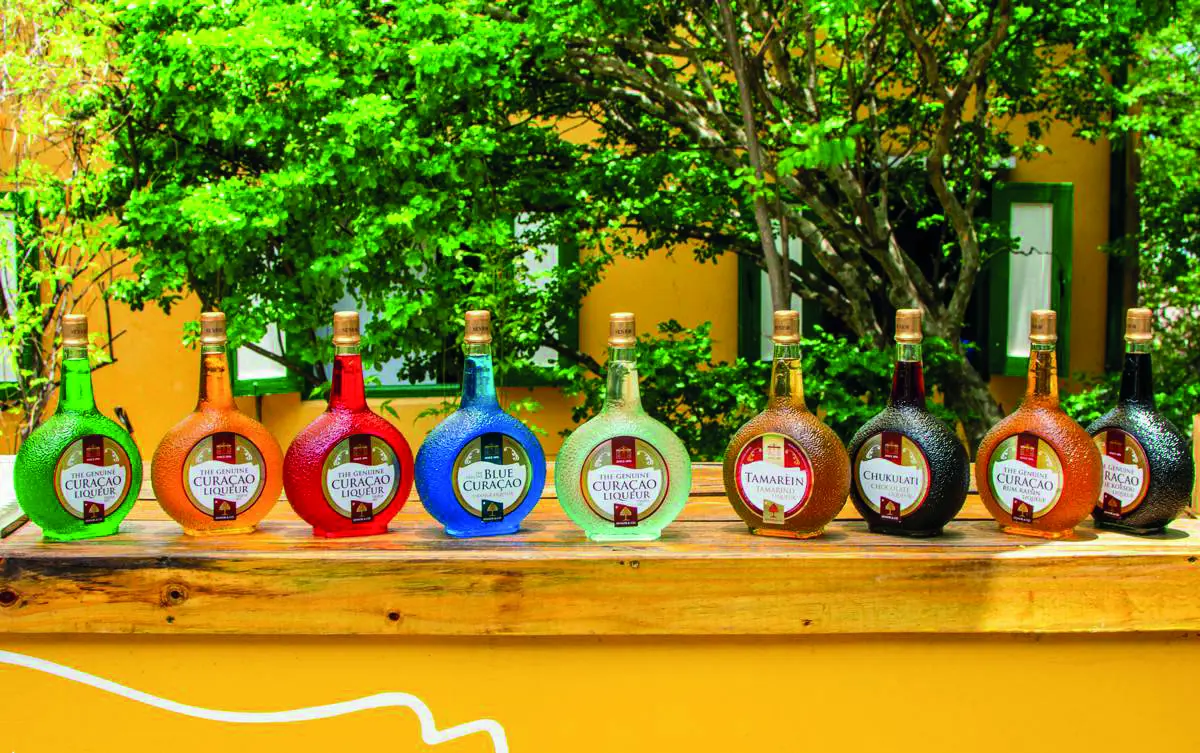
The Senior family began distilling Blue Curaçao in 1896 at Landhuis Chobolobo, a historic 19th-century mansion that still houses the distillery today. The liqueur is naturally colorless, or pale amber at most, the iconic blue color was added purely for visual appeal. Beyond the classic blue, the distillery now offers a full range of flavors, including tamarind, chocolate, coffee, and rum-raisin. Only liqueur made with genuine Laraha peel from Curaçao can officially be called Blue Curaçao.
If you want to see the distillery and try it for yourself, the Blue Curaçao Distillery cocktail workshop is one of the most popular experiences on the island. You can also browse all Blue Curaçao distillery tours to find the right option for your group.
6. Crossing the Queen Emma Bridge used to cost money but only if you wore shoes
The Queen Emma Bridge, the famous floating pontoon bridge in Willemstad, did charge a toll in its early days — and according to local lore, there was a peculiar exception: only people wearing shoes had to pay. Barefoot crossers went free. Whether wealthier residents actually removed their shoes to avoid the fee is part of the story told on the island to this day. The toll was abolished in 1934, and crossing has been free ever since.
The bridge itself is a pontoon bridge, meaning it floats on the water and swings open to let ships pass through the harbor. When it opens, free ferries operate on both sides so people can still cross. It was first built in 1888, making it one of the oldest structures of its kind still in daily use.
7. The oldest active synagogue in the Western Hemisphere has a sand floor
The Mikvé Israel-Emanuel Synagogue in Willemstad was built in 1732 and is considered the oldest continuously active synagogue in the Western Hemisphere. The floor is covered not with tiles or wood, but with sand, and the reason is historically significant.
During the Spanish Inquisition, Jewish communities in Europe and Latin America were forced to practice their faith in secret. They covered the floors of their hidden prayer rooms with sand to muffle the sound of footsteps, allowing them to worship without detection. The Curaçao synagogue has kept the sand floor as a permanent reminder of that history. It is open to visitors and worth a quiet half hour of your time.
8. Christoffelberg: Curaçao's highest peak is open to everyone
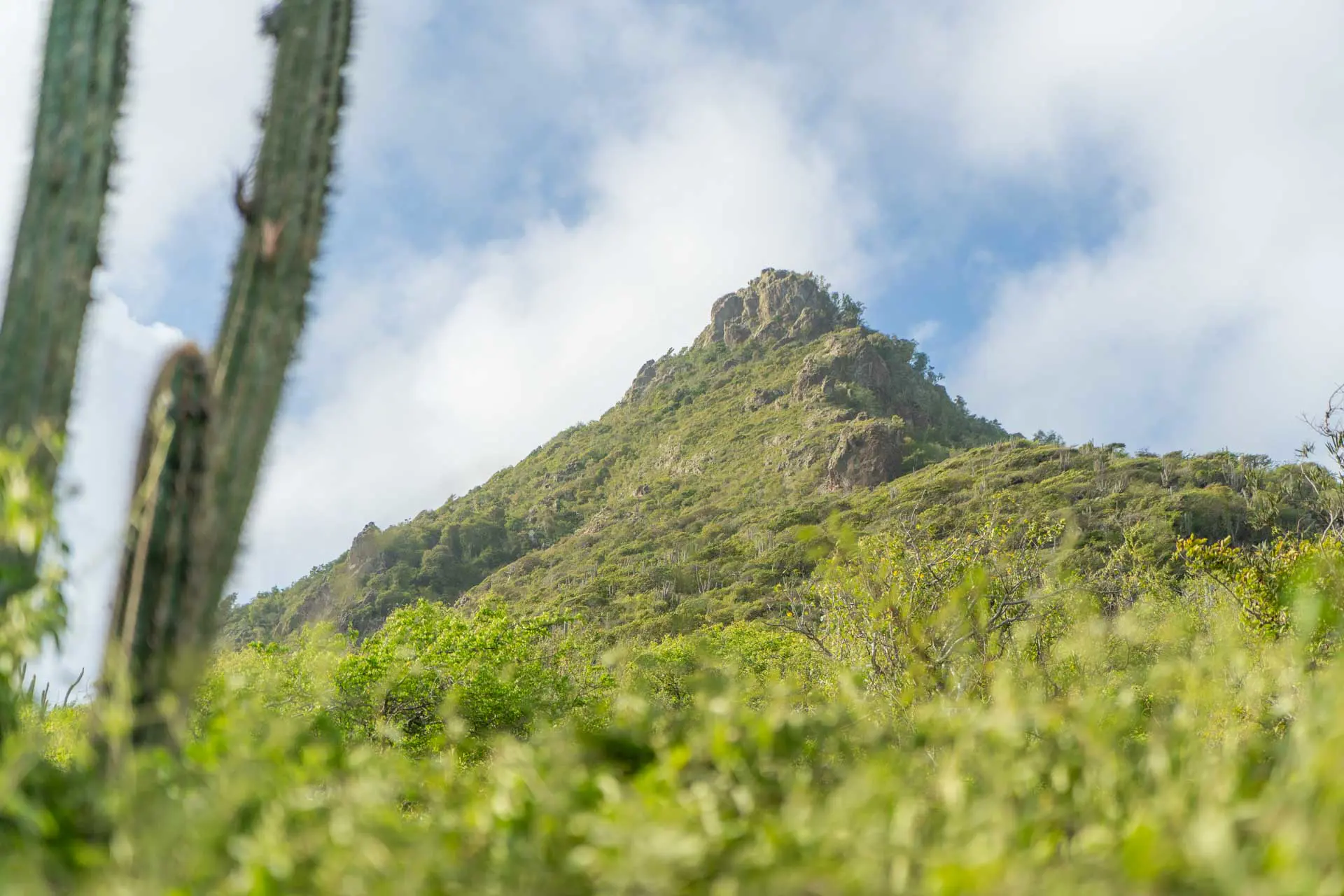
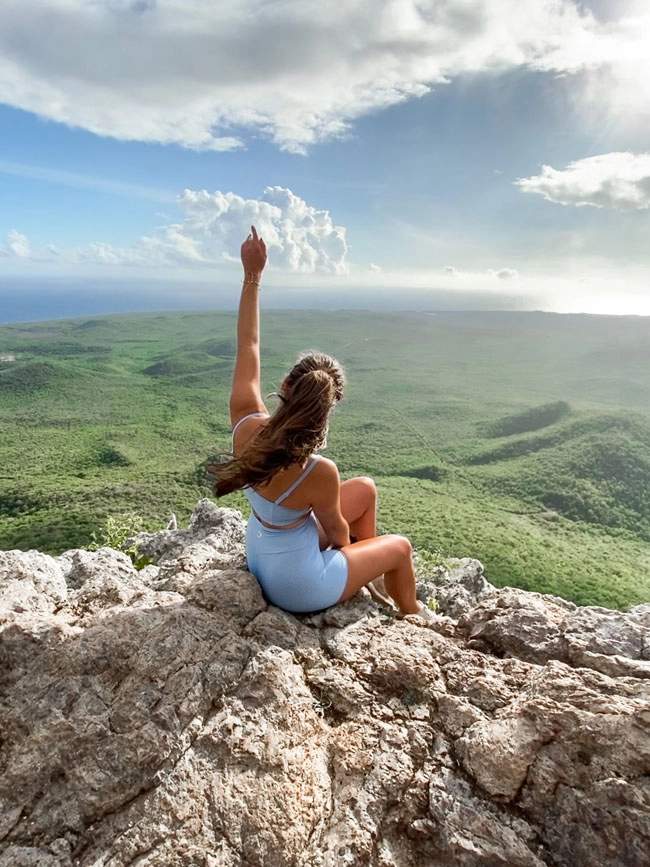
Christoffelberg stands at 372 meters, which makes it the highest point on Curaçao. For most visitors, reaching the summit and back takes between 1.5 and 2.5 hours depending on fitness level. For elite runners, the ascent has been done in under ten minutes.
You can climb it yourself too just make sure you start early. The mountain sits inside Christoffel National Park, one of the best places on the island for hiking and wildlife spotting. Here is what to expect:
- 8 hiking trails for all levels, including the climb to Christoffel Mountain
- Rich biodiversity with unique plants and animals
- Organized jeep tours and guided hikes
- Spectacular views of Curaçao and the Caribbean Sea
- Savonet Museum with local history and culture
- Early morning tours such as sunrise hikes and bird watching
Insider tip: Start the climb to Christoffel Mountain before 10:00 a.m. because of the heat. In the early morning, clear visibility is most likely — and you often have the trail all to yourself.
9. Curaçao has its own government but shares a king with the Netherlands
On October 10, 2010 (10/10/10), the Netherlands Antilles was dissolved and Curaçao became a separate autonomous country within the Kingdom of the Netherlands. That means Curaçao has its own parliament, its own prime minister, and its own laws, but the Dutch monarch is the head of state. Currently, that is King Willem-Alexander.
The relationship is similar to how Canada or Australia relate to the British Crown: full self-governance in domestic affairs, with a shared head of state. Citizens of Curaçao carry Dutch passports and are EU citizens, which shapes everything from immigration to trade in ways that make the island quite different from its Caribbean neighbors.
10. Klein Curaçao was once a quarantine island for enslaved people
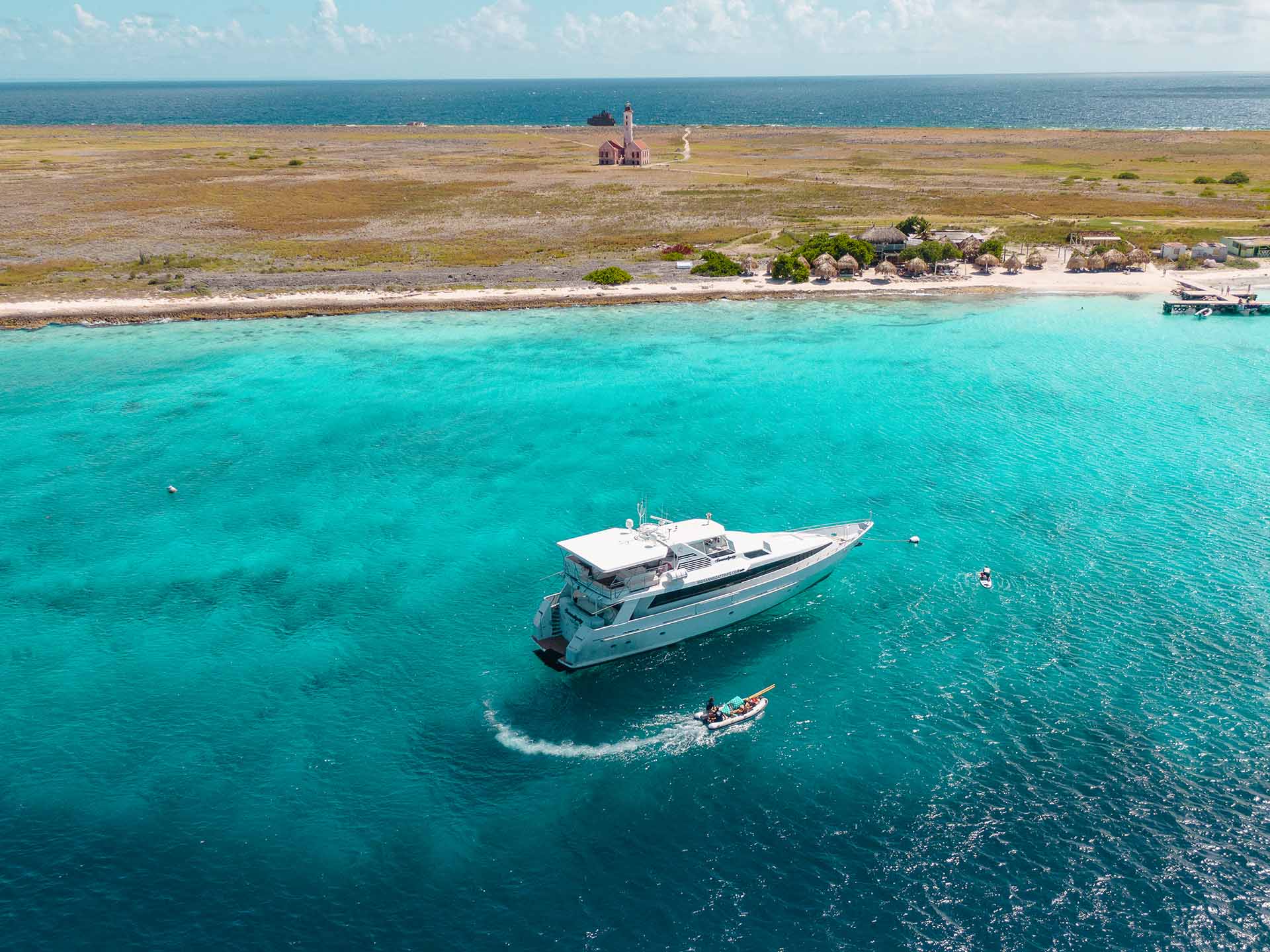
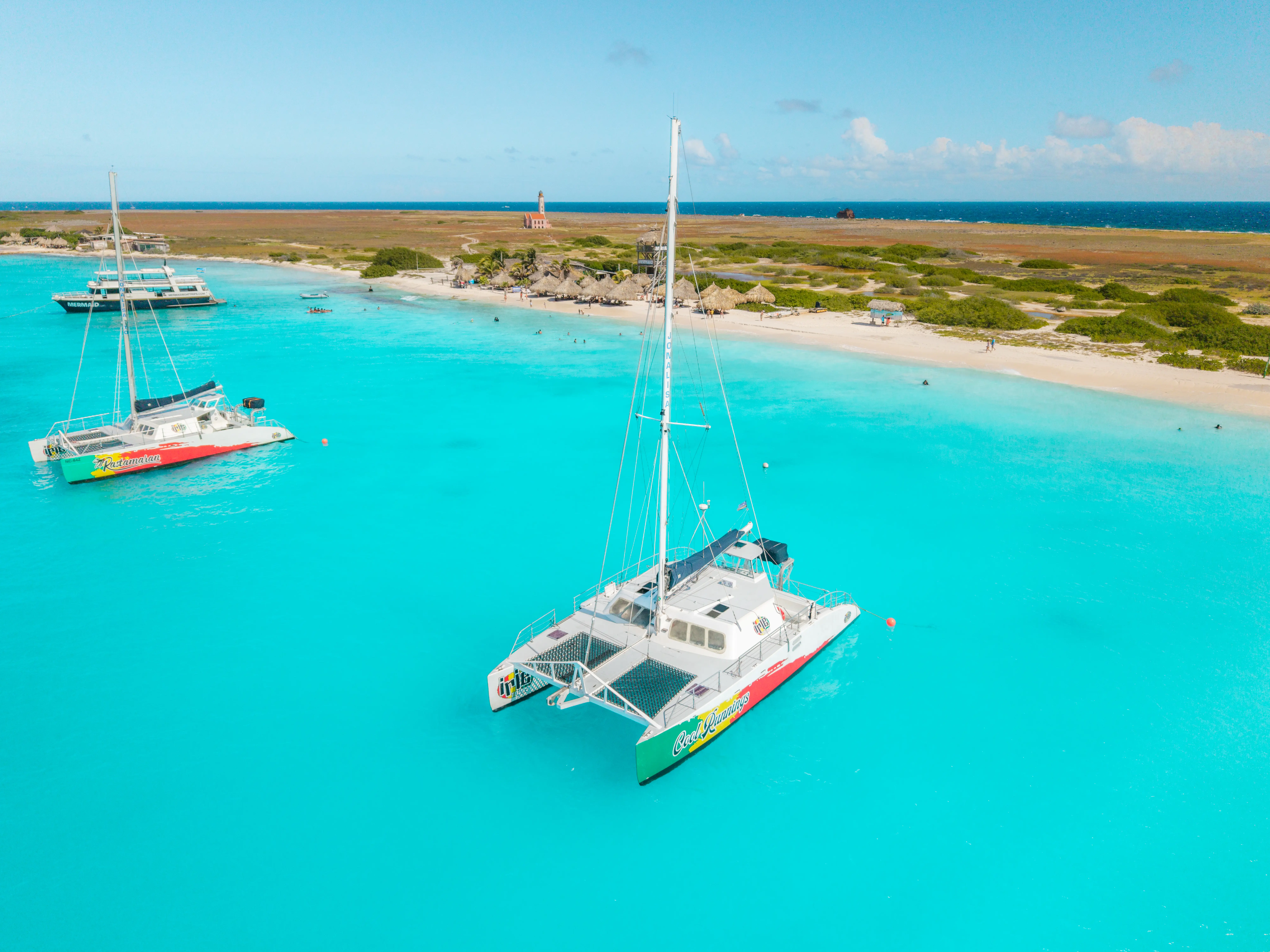
The small, uninhabited island on the Curaçao flag carries a difficult history. During the era of the transatlantic slave trade, Klein Curaçao served as a quarantine station, a stopping point before the main island. The ruins of structures from that period are still visible on the eastern side of the island, alongside the old lighthouse.
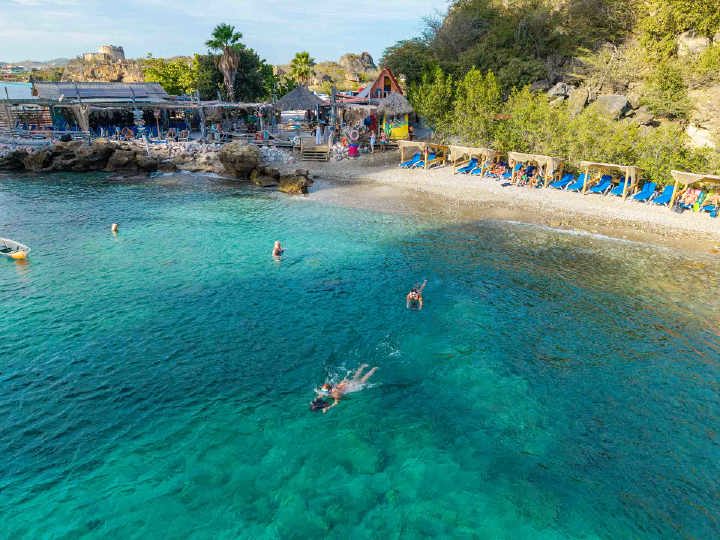
The island is now known mostly for its beach, its reef, and its extraordinary blue water, but walking the eastern shore gives the day a different weight.
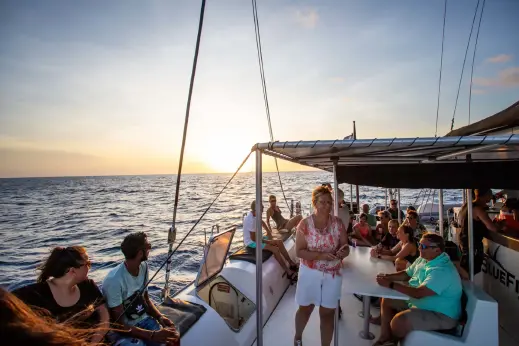
Several operators run full-day boat trips from Curaçao. Here is an overview of current options:
| Provider | Price | Sail days | Boat type |
|---|---|---|---|
| Miss Ann | $150 | Mon, Tue, Thu, Fri | Yacht |
| Miss Ann | $170 | Sat & Sun | Yacht |
| BlueFinn | $140 | Every day | Catamaran |
| Mermaid Boat Trips | $150 | Sun – Fri | Yacht |
| Irie Tours | $140 | Every day | Catamaran |
| Powerboat Caribbean | $169 | Mon, Wed, Thu, Sat | Speedboat |
| BlueFinn | $165 | Monday | Catamaran |
Find all available Klein Curaçao boat trips on our tour page, with departure days, prices, and reviews.
Curaçao is more layered than it looks
Every destination has its surface: the beaches, the restaurants, the things you book before you arrive. Curaçao has all of that. But it also has a synagogue that survived the Inquisition, a liqueur that was clear before someone decided to make it blue, and a deer that has been living on this island for 4,000 years. The more time you spend here, the more you find. Explore Curaçao's national parks, book a Blue Curaçao distillery experience, or plan a day trip to Klein Curaçao.
.JPG?width=520&version=12085)