


History of Curacao
The History of Curacao
Curacao’s history is shaped by Indigenous heritage, European influence, African resilience, and centuries of trade. Today, Curacao is an autonomous country within the Kingdom of the Netherlands - a constitutional status established in 2010. The island governs itself internally while recognizing the Dutch monarch as its head of state.
Early History: The Arawak and Indigenous Roots
Long before European explorers arrived, Curacao was home to the Arawak (Caquetío) people.
Evidence of their presence - including rock drawings and petroglyphs - can still be seen today in the Hato Caves, one of the island’s most significant archaeological sites.
Spanish Arrival and Abandonment (1499–1634)
In 1499, Spanish explorer Alonso de Ojeda reached Curacao and claimed it for Spain.
However, because the island lacked gold and fertile land, the Spanish viewed it as unimportant and relocated many Indigenous inhabitants to labor on plantations in South America.
Dutch Rule and the Rise of Trade (1634–1800s)
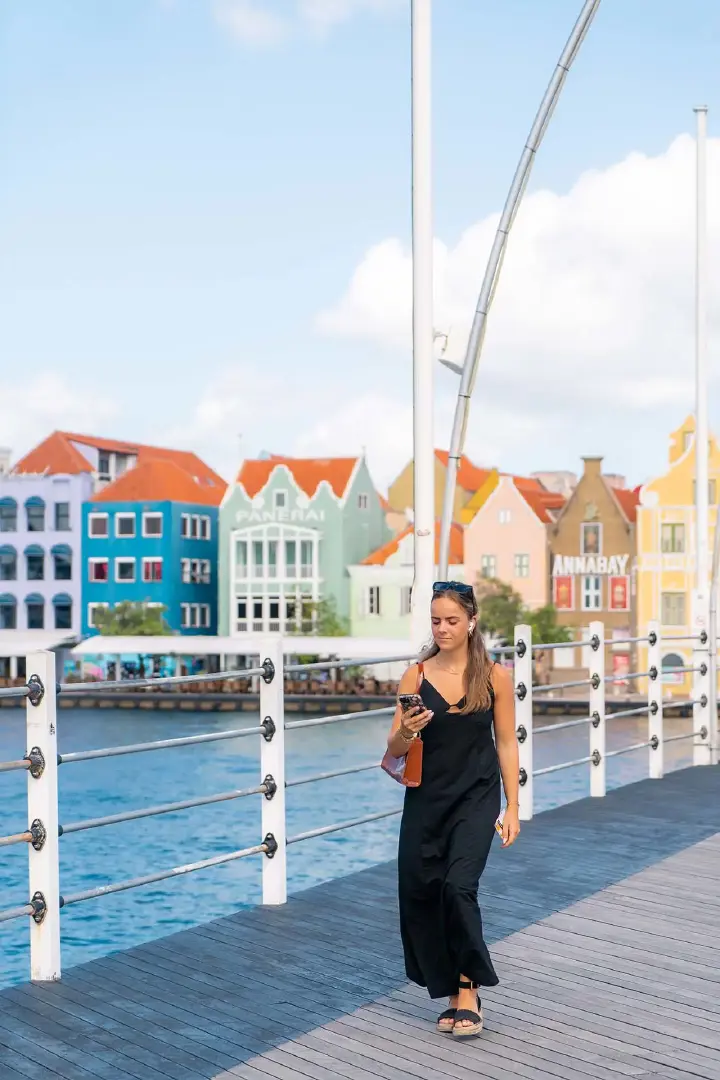
In 1634, the Dutch West India Company (WIC) took control of Curacao and developed the island into a major trading center. Thanks to its deep natural harbor - St. Anna Bay - Curacao quickly became a strategic port for shipping, commerce, and defense.
You can learn more about Curacao’s maritime past at the Curacao Maritime History Museum, located in the heart of Willemstad.
To protect the island, several forts were built, including:
- Fort Amsterdam (Willemstad)
- Fort Beekenburg (Caracasbaai)
- Fort Nassau
Many of these forts still stand today and can be visited.
During this period, Jewish communities settled on the island, contributing to Curacao’s development in trade, finance, and local industries. Their legacy remains visible today in the Mikvé Israel-Emanuel Synagogue, the oldest continuously operating synagogue in the Western Hemisphere.
The Transatlantic Slave Trade
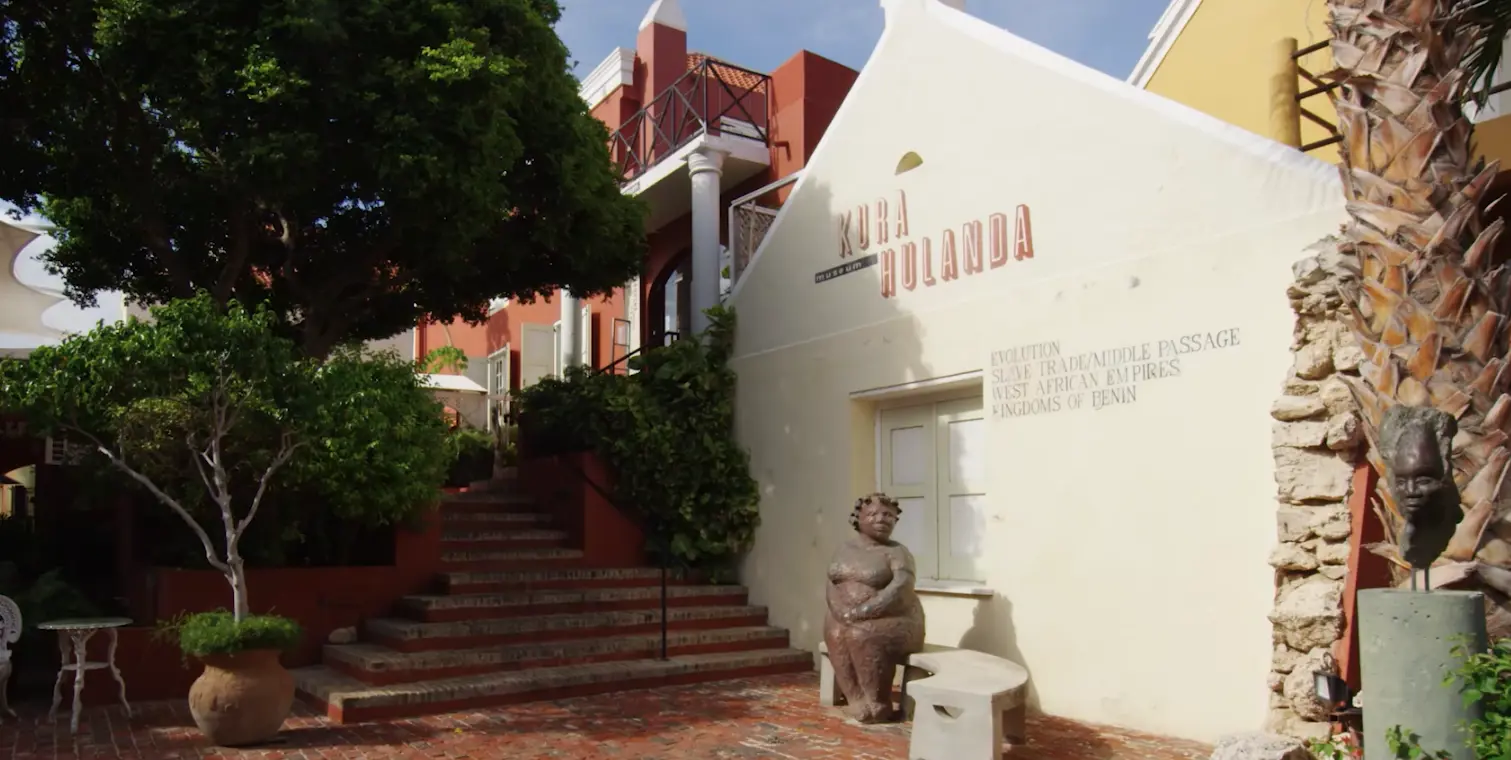
Curacao played a central role in the transatlantic slave trade. Willemstad’s harbor became a major transit point where enslaved Africans were transported to the Caribbean and South America. Visitors can learn about this history at:
- Kurá Hulanda Museum – focused on African and Caribbean history
This museum preserves stories, artifacts, and memories from one of the island’s most painful but important eras.
Plantations and Landhuizen
While Curacao had plantations, large-scale agriculture never dominated the economy due to the dry climate. Still, more than 55 plantation estates (landhuizen) were built in the 18th and 19th centuries. Many remain today, including:
- Landhuis Knip – Historically linked to the 1795 Tula uprising and now home to Museo Tula, where you can learn more about Curacao’s resistance history
- Landhuis Chobolobo – The historic estate where the famous Blue Curacao liqueur is produced, with tours and tastings available for visitors
- Landhuis Rooi Catootje - Home to the Mongui Maduro Museum, showcasing Curacao’s literary, cultural, and family heritage
- Landhuis Kas di Pal’i Maishi - a restored traditional kunuku house that showcases Afro-Caribbean heritage, daily life, and culture on Curacao
These estates offer insight into colonial life and the island’s agricultural past.
Tula and the 1795 Slave Uprising
In 1795, Tula, an enslaved man, led a large and courageous revolt demanding freedom and basic human rights. Although the uprising was suppressed, Tula became a national hero whose legacy symbolizes resistance, dignity, and the fight for equality.
Several monuments and cultural landmarks honor him throughout the island.
20th Century: Oil Refinery and Immigration
In the early 1900s, Curacao became a global hub for oil refining when Royal Dutch Shell opened a major refinery on the island. This created thousands of jobs and attracted workers from:
- Venezuela
- Suriname
- The English-speaking Caribbean
- Portugal (Madeira)
The refinery shaped Curacao’s multicultural character and economic growth for decades.
Modern Curacao
Today, the oil refinery is inactive, and tourism has become one of the island’s main economic pillars. Curacao now focuses on:
- Sustainable tourism development
- Preserving cultural heritage
- Protecting natural environments
- Supporting local communities
The island’s rich history - Arawak roots, Dutch-Caribbean architecture, Jewish heritage, African resilience, and multicultural influences - shapes the vibrant culture visitors experience today.
To explore Curacao’s past in a quick and visual way, you can also watch our Curacao History Video.
Browse and Book the Best Tours
 75 minutes
 4 hours
Sorry, no posts matched your criteria.