


Weather, Climate & Geography in Curacao
Weather, Climate & Geography of Curacao
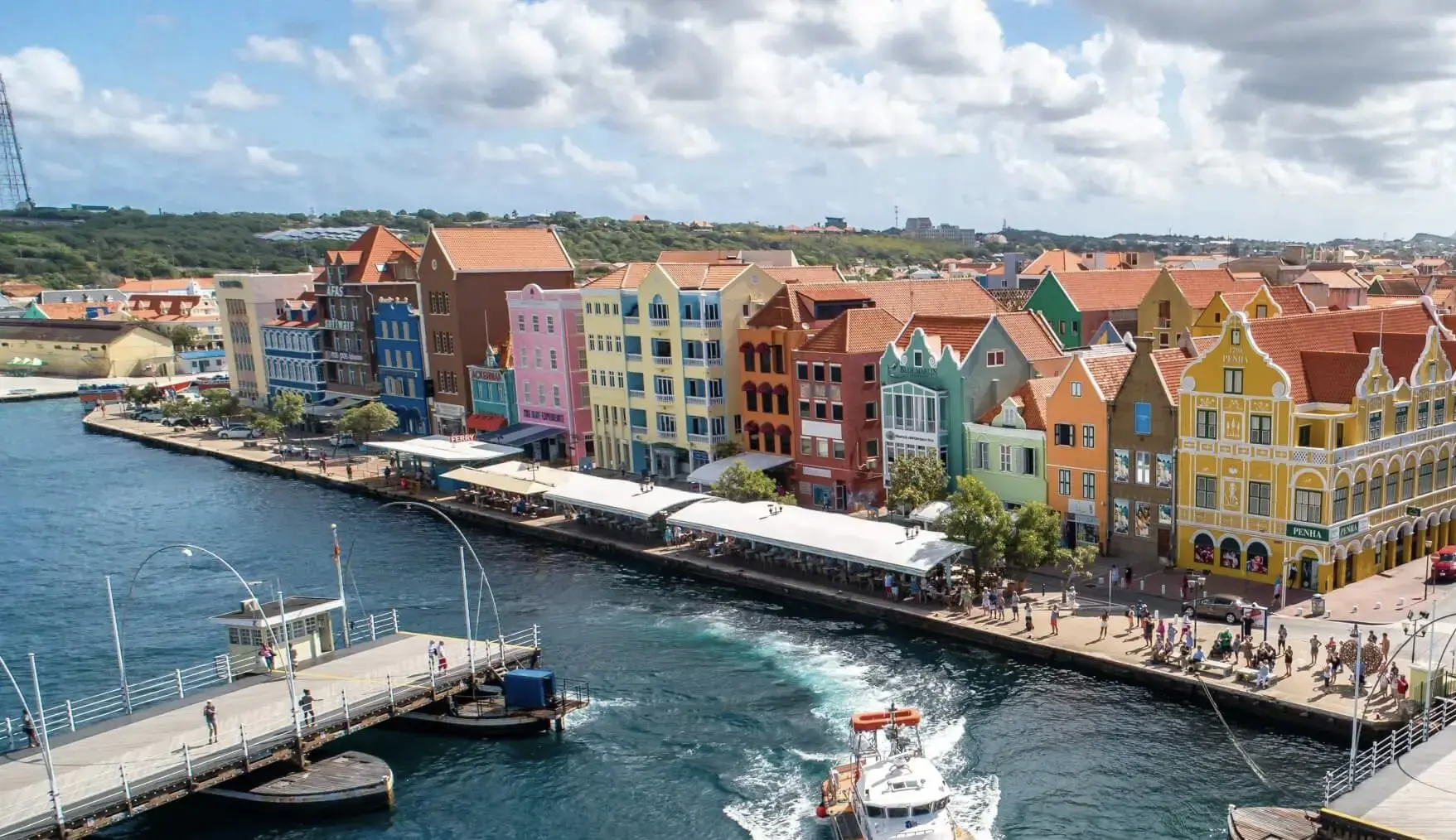
Curacao is known for its sunny skies, warm temperatures, and diverse natural landscapes. From calm turquoise bays and rugged northern cliffs to rolling hills covered with cacti, the island’s geography plays a major role in shaping its unique climate. Whether visitors come to relax on the beach or explore the outdoors, Curacao’s weather is one of the island’s biggest advantages.
What to Expect From Curacao’s Climate
- Warm temperatures year-round, usually between 27°C and 32°C (80°F - 90°F).
- Sunshine almost every day, with a dry climate ideal for outdoor activities.
- A steady breeze from the northeast trade winds that keeps the island comfortable.
- Clear blue waters, sheltered beaches, and calm conditions on the south coast.
- Rugged terrain and dramatic waves along the northern shoreline.
- Located outside the hurricane belt.
Curacao Weather and Climate Overview
Curacao enjoys a semi-arid tropical climate, which makes it one of the sunniest islands in the Caribbean. Rainfall is limited, and most showers are short and refreshing. The island sits safely outside the hurricane belt, giving travelers confidence when planning a trip any time of the year.
-
Rainy Season
Rainfall increases slightly between October and January, but even during this period, sunny days remain the norm. When it rains, it often clears quickly.
-
Dry Season
The dry season runs from February to September, offering long stretches of bright weather - perfect for beach days, snorkeling, hiking, and island tours.
-
Trade Winds
The constant trade winds blowing from the northeast help keep temperatures pleasant. These winds are strongest from January to August, offering ideal conditions for windsurfing and sailing.
Geography of Curacao
-
Terrain & Natural Areas
Curacao’s landscape is a mix of rolling hills, limestone cliffs, volcanic rock formations, caves, and dry forests filled with cacti. The highest point is Christoffel Mountain at 372 meters, located in Christoffel National Park. This area is perfect for hiking and wildlife spotting.
-
Northern Coast
The north shore is wild and dramatic, shaped by strong waves and steady winds. Places like Shete Boka National Park showcase powerful blowholes, lava formations, and deep inlets.
If you want to experience these rugged landscapes up close, the best way to explore them is by joining a guided Jeep, ATV, or UTV tour.
These tours take you off-road through hidden trails, coastal viewpoints, blowholes, and other natural highlights that are difficult to reach on your own - perfect for adventure seekers who want to see a wilder side of Curacao. Explore more.
-
Southern Coast
-
Salt Flats & Lagoons
Across the island, visitors will find natural salt pans and lagoons, including areas like Sint Willibrordus, also known as Williwood and Jan Thiel. Flamingos often gather here, offering beautiful photo opportunities.
-
Urban & Coastal Areas
Whether you’re exploring the rugged landscapes or soaking in the sunshine, remember to protect your skin and the marine environment by using reef-safe sunscreen. Small choices help preserve Curacao’s underwater paradise for generations to come.
Browse and Book the Best Tours


 3.5 hours
_-_Verkleind.JPG?version=10530&width=720) 4 hours
4 hours
 2.5 hours
 75 minutes
Katjana_Cabenda_3683.png?version=10249&width=720) 9.5 hours
9.5 hours
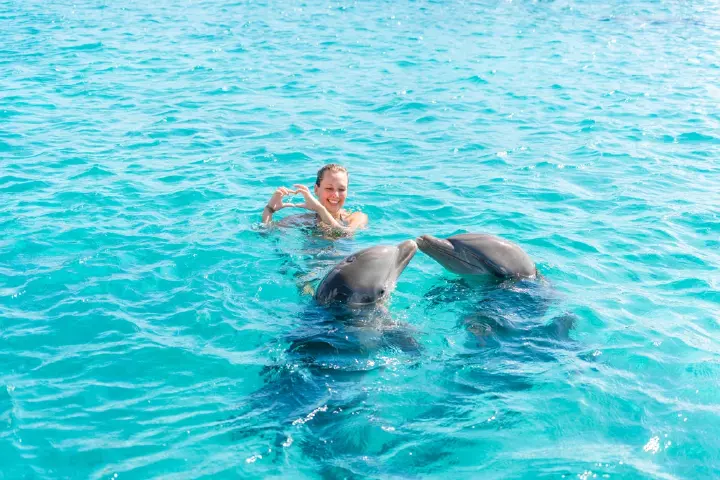 1.5 hours (30 min. in the water)
Sorry, no posts matched your criteria.