

FAQs about Curacao
Curacao FAQ’s
Where is Curacao located?
Curacao is a popular Caribbean island located just north of Venezuela and part of the ABC Islands (Aruba, Bonaire, Curacao). Many travelers choose Curacao because it sits outside the hurricane belt, making it a stable and reliable year-round travel destination.
See more
What is the weather like in Curacao?
Curacao has warm, sunny weather throughout the entire year, with steady trade winds that keep the island comfortable. With very little rainfall and consistent sunshine, Curacao is perfect for beaches, outdoor activities, and nature adventures in every season.
See more
When is the best time to visit Curacao?
Curacao is a year-round sunny destination with warm temperatures, clear blue water, and endless things to do across the island. Whether you’re looking for beaches, culture, or adventure, every season offers something unique. Still, depending on your travel style, some periods may suit you better than others.
See more
Is Curacao safe for tourists?
Yes, Curacao is considered one of the safer Caribbean destinations for travelers. Tourist areas are well-visited, and visitors generally feel comfortable exploring the island. As always, using common-sense behavior, your stay will almost always be smooth and enjoyable.
See more
What is the local time in Curacao?
Curacao follows Atlantic Standard Time (AST) all year and does not use daylight saving time. When planning your trip, keep in mind that the time difference between Curacao and your home country may change depending on the season.
See more
What is the culture like in Curacao?
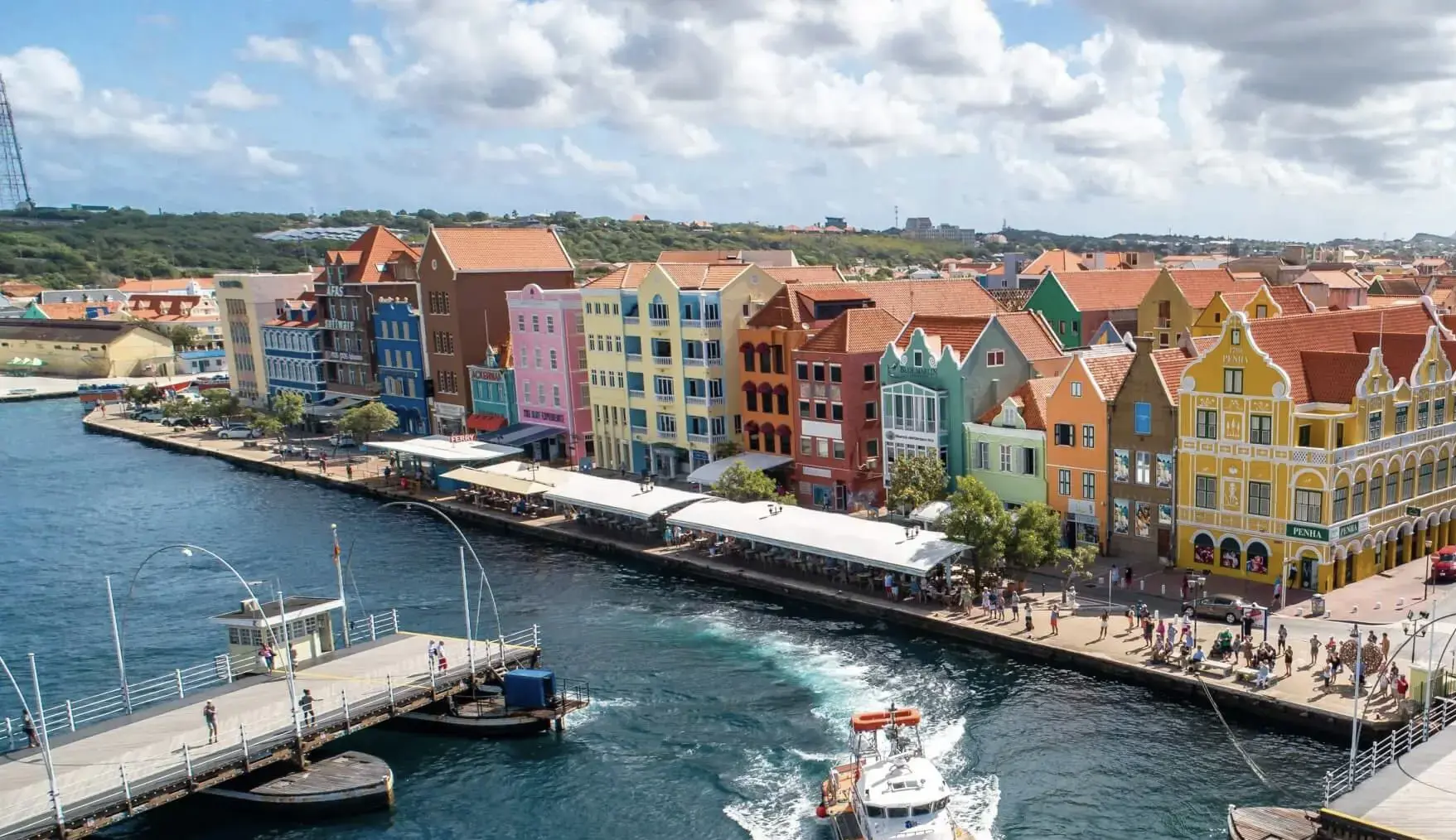
Curacao has a rich cultural mix influenced by Caribbean traditions, Dutch heritage, African roots, and Latin American flair. This blend is reflected in local music, cuisine, colorful architecture, and daily life. Travelers often say the island’s culture is one of the main reasons they love visiting Curacao.
See more
What currency is used in Curacao?
Curacao now uses the Caribbean guilder (Cg) as its official currency. US dollars are also accepted in many places across the island, making it easy for travelers to shop, dine, and join tours. ATMs and card payments are widely available.
See more
Does Curacao have many public holidays?
Yes, Curacao celebrates numerous cultural and national holidays throughout the year, including Carnival, King’s Day, and seasonal religious holidays. During official holidays, some shops or businesses may adjust their opening hours.
See more
How is healthcare in Curacao?
Curacao has modern healthcare services, pharmacies across the island, and a fully equipped hospital in Willemstad. For travelers, having travel insurance is recommended to cover medical care, medication, or emergencies during a visit to Curacao.
See more
Is the internet reliable in Curacao?
Yes, Curacao has reliable mobile coverage and internet service, with Wi-Fi available in many hotels, resorts, cafés, and restaurants.
See more
How can I get around Curacao?
The easiest way to explore Curacao is by rental car or a guided tour, especially if you want to visit beaches, national parks, and hidden local spots across the island. Taxis must be ordered in advance, as they cannot be hailed on the street. Local buses are available but may not reach every area. Renting a car provides the most flexibility for discovering Curacao.
See more
What are some general facts about Curacao?
• Curacao is part of the Kingdom of the Netherlands
• Willemstad, the island’s capital, is a UNESCO World Heritage Site
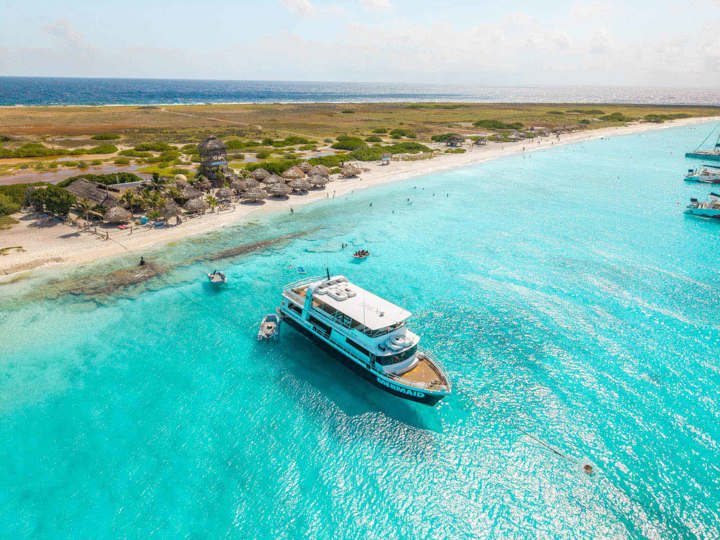
• The island is known for its colorful architecture, calm bays, coral reefs, and excellent snorkeling and diving
• Papiamentu, Dutch, and English are the main languages
• Curacao is one of the most diverse and culturally rich islands in the Caribbean
See more
Is Curacao in the hurricane belt?
No, Curacao lies outside the hurricane belt, which is one of the reasons many travelers prefer visiting Curacao for a worry-free Caribbean vacation with stable weather throughout the year.
See more
Do I need a visa to visit Curacao?
Travelers from most European countries, the United States, and Canada do not need a visa for short trips to Curacao. You do need to fill in the Digital Immigration Card (DI). Entry rules may change, so it is always best to review the latest travel requirements before visiting Curacao.
See more
What languages are spoken in Curacao?
Curacao has three main languages: Papiamentu, Dutch, and English. Most people working in tourism speak English, and many signs, menus, and travel services are available in multiple languages, making it easy for visitors to explore the island.
See more
Can you drink tap water in Curacao?
Curacao’s tap water is safe, clean, and of very high quality. It is perfectly safe to drink from the tap anywhere on the island, thanks to advanced desalination systems.
What is the best area to stay in Curacao?
Curacao offers several popular areas to stay, including Jan Thiel, Mambo Beach, Pietermaai, and Westpunt. Each area has its own vibe - from lively beach clubs and restaurants to quiet nature and hidden beaches.
How long should I stay in Curacao?
Most travelers recommend staying at least 5 to 7 days to fully enjoy Curacao’s beaches, culture, and nature. For a more relaxed pace or to explore the whole island, 10 to 14 days is ideal.
Is Curacao good for snorkeling and diving?
Yes! Curacao is one of the Caribbean’s top snorkeling and diving destinations. The island has calm waters, vibrant coral reefs, and easy shore diving spots where you can see turtles, colorful fish, and shipwrecks.
Is Curacao family-friendly?
Curacao is very family-friendly, with calm beaches, wildlife parks, museums, and safe neighborhoods. Many resorts and tours offer activities designed for kids.
How expensive is Curacao?
Curacao can be as affordable or as luxurious as you want. Local eateries and beaches are budget-friendly, while upscale dining and activities are also widely available. US dollars and cards make payments easy.
What should I pack for a trip to Curacao?
Pack lightweight clothing, reef-safe sunscreen, swimwear, water shoes, and a reusable water bottle. A light sweater is useful for breezy evenings or indoor air conditioning.
See more.




Katjana_Cabenda_3683.png?version=31023&width=720)



_-_Verkleind.JPG?version=52488&width=720)